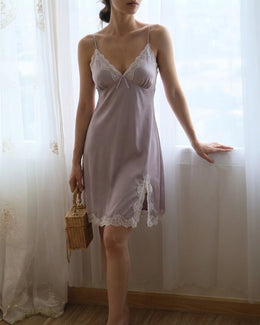



The best sleepwear for hot sleepers is light, loose and easy to remove or layer. Think a breathable slip, minimal seams, adjustable straps and no tight waistband. Start with the fabric that feels best on your skin, then choose a silhouette that leaves room for air. If night sweats are new, intense or affecting your wellbeing, it is worth speaking with a qualified health professional; this guide is simply about feeling more comfortable in bed.
Let air move around you
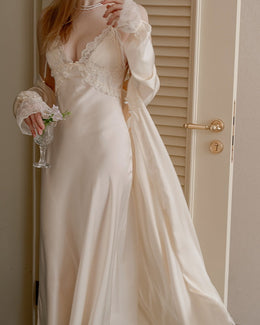
When you sleep warm, less bulk is usually more useful than a complicated cooling claim. A loose V-neck slip exposes more skin to air than a full set with close cuffs. A smooth, easy-drape fabric can feel less clingy than a thick knit. Keep a light robe nearby for the first chilly minutes, rather than wearing a heavy layer all night.
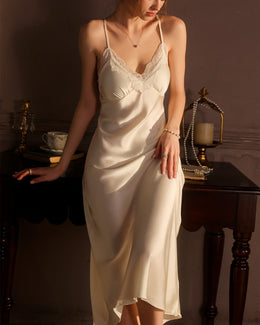
For hot sleepers, choose sleepwear that reduces bulk and lets you adjust quickly as your temperature changes. A loose slip with narrow or adjustable straps keeps the torso and legs less covered than fitted pajamas, while a simple neckline avoids fabric collecting at the throat. Pick a fabric by touch and drape: an ice-silk style can feel light and cool to wear, a clean silk slip gives a smooth layer, and 19-momme mulberry silk is used on Darette core silk pieces for those who enjoy silk's fluid hand. Avoid tight waist elastic, thick cuffs, heavy fleece, stacked layers and lace that scratches against bare skin. Change into a dry piece if needed, keep bedding breathable, and choose a sleep shape you can move in. The cleverest option is the one you can forget about after lights out.
Compare hot-sleeper options
| Preference | Sleepwear direction | Try at bedtime |
|---|---|---|
| Maximum airflow | Loose V-neck slip | Skip extra layers |
| Smooth, polished feel | Silk slip | Keep a robe nearby only |
| Simple coverage | Clean round-neck slip | Adjust straps for comfort |
| Cooler face and hair | Silk pillowcase | Pair with a light slip |
Start with a slip
Cool It Slip is the obvious place to begin for an airy V-neck shape. The Real Thing Silk Slip brings 19-momme mulberry silk to a relaxed bedtime layer, while Plain English Silk Slip keeps the neckline clean and uncomplicated. For the pillow part of your setup, Night Shift Silk Pillowcase is also 19-momme silk.
Set up the rest of the bed
Sleepwear works with the room, not against it. Try a lighter duvet, breathable sheets, water nearby and a spare sleep layer within reach. Do not force yourself into a full pajama set because it looks traditional. Your sleep has no dress code.
Comfort should never mean scratchy
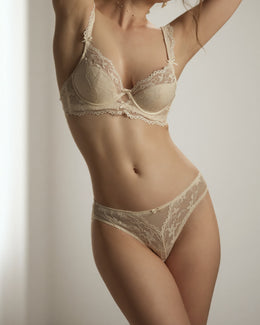
Sensitive-feeling skin may prefer soft, smooth contact points and fewer trims. If you wear lace beyond bedtime, Darette lace cups are lined inside to avoid itch. Read our sensitive-skin bra guide for practical fabric thoughts, and silk versus lace lingerie for texture differences. Browse silk or sleep robes to build your lighter rotation.
FAQ
What fabric is best for hot sleepers?
The best fabric is the one that feels comfortable to you while keeping the sleep layer light and easy to move in. Many hot sleepers prefer a loose silhouette first, then choose by texture: a smooth silk slip, a light ice-silk style or another breathable-feeling fabric can all work. Pay attention to waistbands, cuffs and heavy seams as much as the fibre label, because those details can make a piece feel warmer or more restrictive. Keep the room and bedding in mind too; sleepwear is only one part of the setup. Give yourself permission to adjust the details until the piece feels easy, familiar and fully your own. Notice how the piece feels after an hour, then keep the version that lets you settle without second-guessing yourself.
Should hot sleepers wear pajamas or a nightgown?
A nightgown or slip is often a comfortable choice for hot sleepers because it uses less fabric around the legs and waist. But pajamas can work if the fit is loose, the cuffs are not tight and the material feels light on your skin. There is no universally correct silhouette. Try the option that gives you the most freedom to turn over and adjust during the night. A light robe beside the bed can offer quick coverage without making your actual sleep layer heavier. Give yourself permission to adjust the details until the piece feels easy, familiar and fully your own. Notice how the piece feels after an hour, then keep the version that lets you settle without second-guessing yourself.
How can I make my sleepwear feel cooler?
Make sleepwear feel cooler by removing unnecessary bulk before chasing special features. Choose a loose shape, reduce tight elastic around the waist and wrists, and keep a lighter spare layer nearby if you wake warm. The fabric should feel pleasant against your skin, but fit and room temperature matter too. Pair a simple slip with breathable bedding and adjust the duvet or blanket as conditions change. If you are having persistent or worrying night sweats, seek advice from a qualified health professional rather than relying on clothing alone. Notice how the piece feels after an hour, then keep the version that lets you settle without second-guessing yourself.